
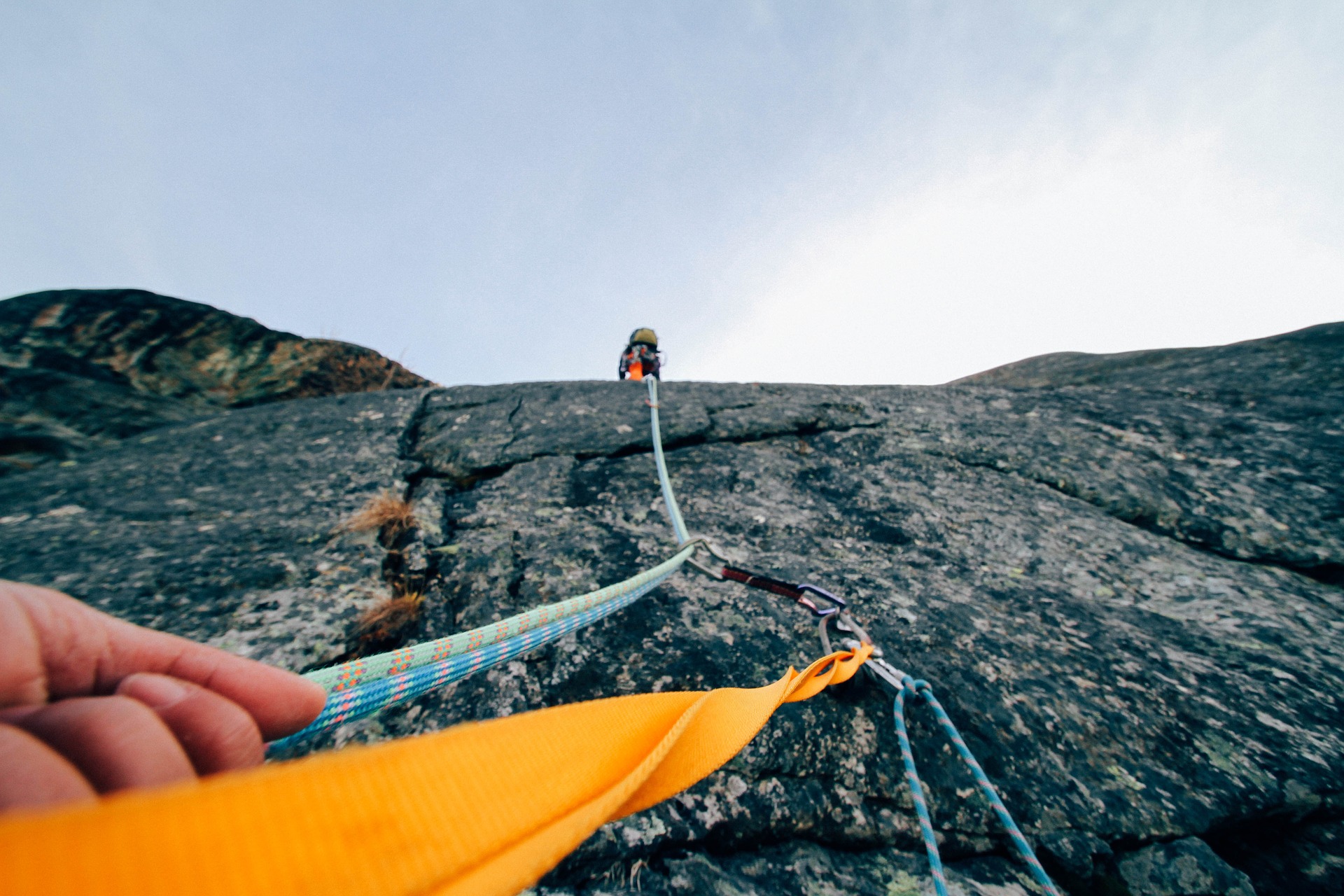
Any action in life comes with a risk. Any moment we are alive contains risk. There is more anxiety and fear than ever in our culture today dreading the possibility of sickness, loss, and suffering. There is reason to be scared of these things but is there not the possibility of danger all around us? Are these chances of loss and suffering not inherent to life? Part of development is putting ourselves in harm’s way, thrusting ourselves into situations that contain risk of failure, hurt, and possibly destruction. This is where we experience life in its fullness, when we cast into the deep instead of remaining in the shallow waters.
When the risk is higher, so is the reward. This does not mean to live in a way that does not consider the consequences of our actions or become an adrenaline junkie that has no regard for their or anyone else’s well-being. Rather, to be fully human is to understand the risks involved in living and not allowing fear and anxiety to paralyze you from choosing to play the game. If we play it too safe and never take chances, we are boring. If we do not understand the consequences of our choices, we are foolish. But, if we choose the risk in an attempt to enter into the fullness of this world, then we are alive.
Afraid of Failure = More Insecure
Our culture is terrified of risks and enjoys playing it safe partly because we do not create environments for people to develop around risk and learn to properly deal with failure. We do not have places where we are encouraged to take chances and discover the limits of one’s abilities as well as the limits of the world around us. This is a huge part of education, to cultivate an informed courageous attitude in people so they are confident in where to push their limits and where to not. This type of development fosters well formed people that know themselves better and are more suited to deal with life’s complexities. These people would possess sharp, well-constructed tools but would also understand when to use them.
A Friend of Failure = More Secure
The key to this type of development is building it into a person’s education and formation as they grow up. We need places to learn and face failure where we are safe and protected. If a child makes a mistake, it is not the end of the world because they are a child and someone is there to clean up their mess and show them how to do it better. However, making mistakes as an adult or parent is more daunting because there is a lot more at stake if one fails or takes a risk. There is a lot more to lose; perhaps this is part of the reason why we are so anxious and worried.
However, for a person that is in touch with their own limits and the limits of their environments this might be different. They grew up in spaces where they were encouraged to take risks and learn through experience, so they would have a healthier understanding of when risks are appropriate but also of how to deal with their consequences. These people tend to be better formed at making mistakes and not allowing their self-worth and entire lives to get wrapped up into failures or embarrassments. These people are not as anxious, fearful, or insecure because they are more in tune with themselves, their environments, and how to deal with the interactions between the two. Through exploration out into the unknown and taking risks, though there are things that we do not know about and can hurt us, we discover more about ourselves and life in a deeper way through our own experience. We desperately need spaces to foster this engagement with life and each other for our development as people.
Final Thoughts
Games, competitions, and sports are ideal places to learn about life because what is really at stake? Much of what suffers if we lose a competition is our own self pride or reputation, but this loss offers an opportunity to deal with adversity, to understand the lines between identity and performance, and to grow into a better person. This continuous task of growth challenges us and prepares us for real life hardships. We learn and develop in environments that teach us the skills we need without life threatening consequences so when we face those more difficult obstacles down the road we have the weapons we need to fight those battles without the past wounds or injuries holding us back. Games offer these spaces to develop in a manner that encourages us to take risks, explore our limits, and push the boundaries so we can learn what we are capable of doing in this life and how life can offer us what we desire.


