
Challenge: The Task of Competition
Challenges entice us and scare us. A challenge we face in life or as a player scares us because we might get defeated. Or we might get a glimpse into our true abilities and see that we are not as good as we thought. Maybe both. But, this is the only way to grow. Challenges invite us into the process of becoming better. This can only happen if we receive honest feedback on where we are as people and players. This honest feedback naturally occurs when we are challenged. There is no faking it, you either can do it or you can not. This is not meant to shame us or elicit negative feelings, but to help us to learn more about ourselves and guide our process.
Competition and practice offer these challenges or tasks to help us develop our skills and accomplish our goals. It is necessary to break big tasks into smaller parts. If a basketball player’s goal is to make three’s consistently then they should begin with proper form shooting in front of the goal. Once this task is mastered then move back a step and repeat this until they are able to shoot with proper form and make shots consistently from each spot. The overall task is not so overwhelming when you break it down into small pieces and work towards it. This approach to development helps build up the fundamentals behind larger skills. You need to walk before you can run.
The Two Extremes
Another important part of this approach is the difficulty of the challenge because it determines our process of learning and thus our movement towards something better. To learn a new task or skill, it must not be too out of our reach nor too easy. If the task is too out of reach from our current abilities then we will get frustrated, discouraged, and are more likely to give up. For instance, if a player began shooting three’s without building up their shot from up close, they might get discouraged at their inconsistency and inaccuracy. However, if the task is too easy for our current abilities then the player will get bored or complacent with it and not be challenged to grow. For instance, if the player only shot in front of the goal and never moved back no matter how many he made, then he would not be continually challenged or move towards greater ability. The tension between these two extremes of a challenge being too easy or too hard is where real development occurs. This is the sweet spot for growth.
The Level of the Challenge Matters
A challenge that is slightly out of a player’s current abilities is optimal for their growth because through correct, intentional practice they can overcome it. When the player focuses on something right in front of them, they learn to use what they know to accomplish what they do not know. You use the foundation of the past to help support you in your present endeavor. The tension between the level of the player and the level of the challenge will create an environment of pressure. If this pressure is optimal (the level of the challenge is slightly above the level of the player), it will push the player to get on the same level as the challenge. Once this is accomplished, equilibrium is restored and the pressure is released. Then the player needs a new challenge to create that tension and pressure within them. The right challenge pushes us to do things we did not know we were capable of, but the process is also frustrating and difficult.
Accomplishing More Together
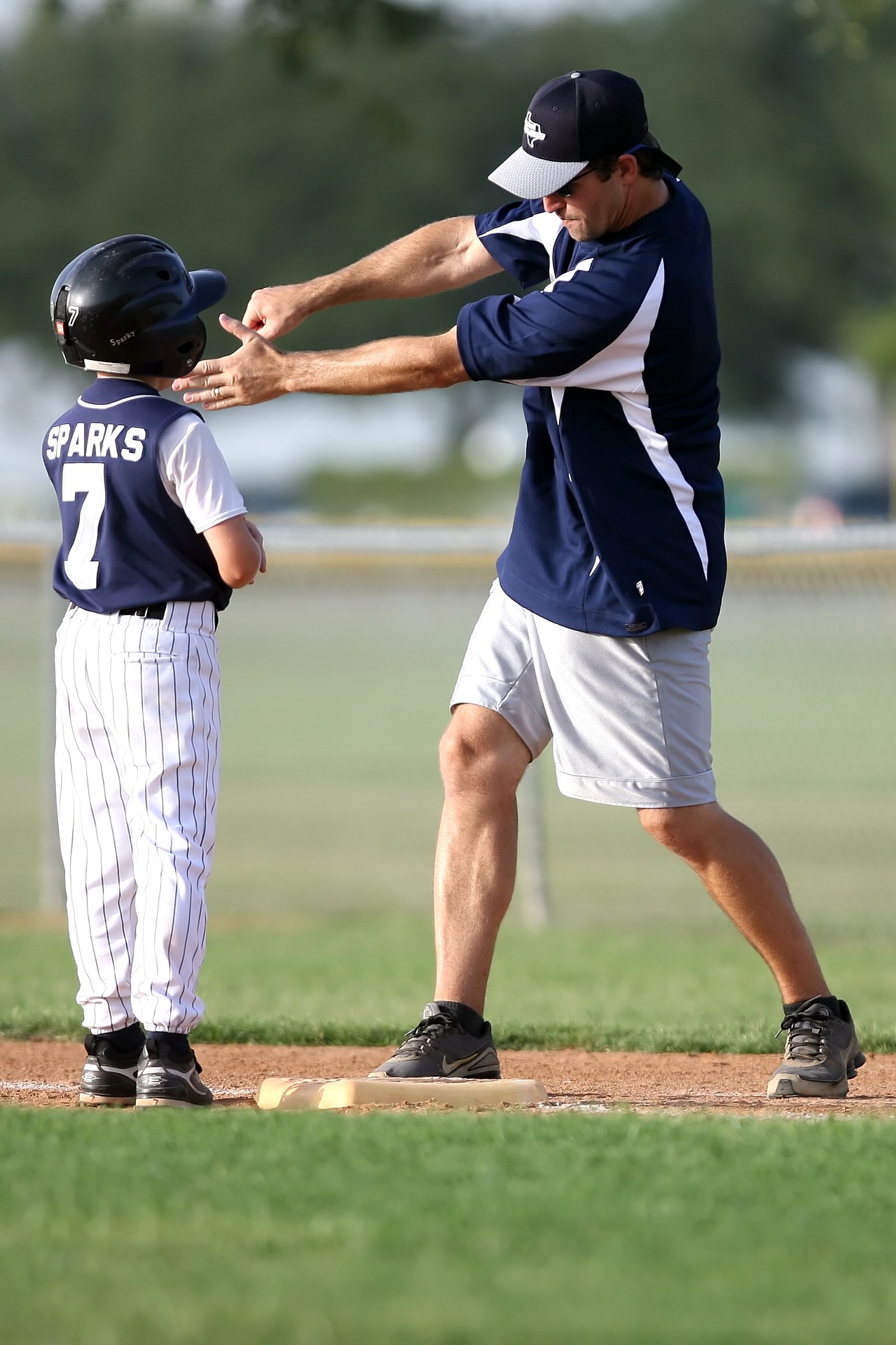
It helps to enter into challenges with a teacher, someone to help guide you in the process of development. By yourself, you typically can only reach right in front of you for your next challenge. This is because you are reaching into the unknown and trying to master a task through your foundation of what you do know. However, with the help of a teacher, you can reach further into the unknown because they can guide and instruct you with more knowledge than you have by yourself. This means you can take on a higher level challenge and take bigger steps towards greatness because of the aid of the teacher. That same challenge could very well be too daunting or difficult for a player to attempt on their own, but may be realistic and optimal with the guidance of an instructor. The space between what you can do on your own and what you cannot do is the zone of proximal development. This represents the space that allows a person to accomplish their task with the guidance they need.
Final Thoughts
Challenges keep us moving as people and players. They put us in situations where we cannot run away from ourselves and are left to face reality. They show us our current abilities but also our potential. Challenges, tasks, and competitions must be slightly above our current abilities for optimal development. This tension created by the difference between us and the challenge is what pushes us into further development. This process is ideally guided by a teacher, instructor, or coach to help us reach further and actualize more of our potential.


