
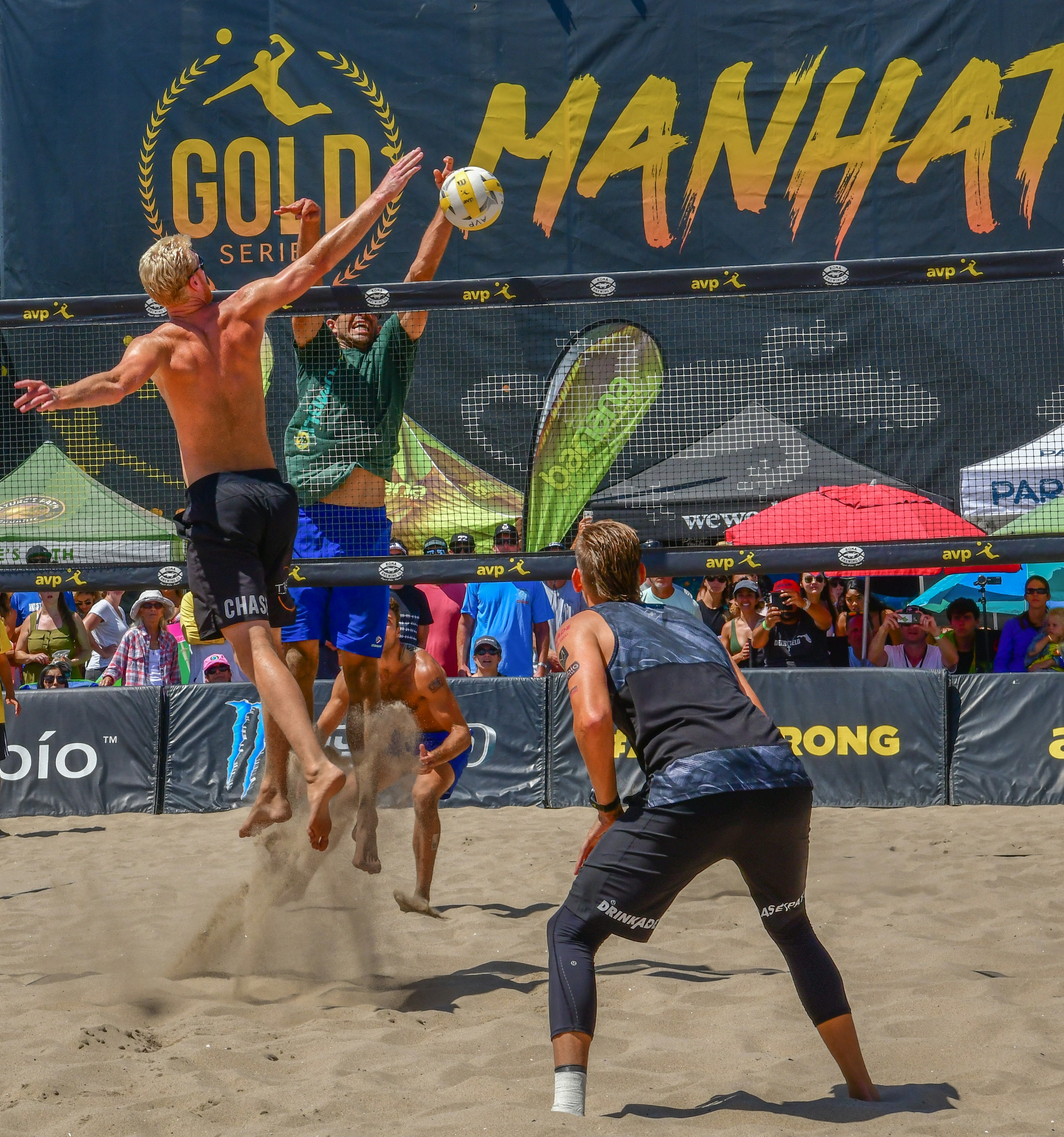
Performance is unpredictable and challenging. Athletes need to be adaptable. So their movements need to be variable. If they can only do one skill one way, then what happens when they find themselves in a different set of circumstances in the game? If a volleyball player swings with one correct form every time, and they don’t learn to adapt, then they might struggle in game situations. What will they do against a double block or an angled block, or a set that’s too tight, or a mistimed pass?
Athletes must be able to deal with a variety of constraints because when are circumstances ever ideal?
Using Variability to Build Adaptability
The environment is always changing. Different settings, emotions, circumstances, relationships, motivations, and confidence. So much is always changing. So the best skill is to be able to perform in changing circumstances. Athletes who are adaptable across a variety of situations and can handle stress/pressure are the best athletes.
Training our bodies and minds for this variability and stress is key.
We must place ourselves in performance contexts in training where we face challenges that we aren’t totally ready for. We should feel unsure of ourselves. We should feel like imposters. We should struggle, get frustrated, and be confused about what to do. This is performance. We are placed in problems and need to figure out a way to solve them so we can get out and reach new levels.
Can’t B.S. Your Brain
We can do drills and activities that are repetitive and make us feel good about ourselves. But these typically don’t transfer into a performance environment, where passes aren’t perfect, scoring opportunities are contested, and we feel stressed. When our training embodies these elements of pressure and challenge, then our confidence grows because we are proving to ourselves that we can do this, that we can handle it.
Our brains are good B.S. detectors. Many times we feel pretty good coming out of practice or training. We feel confident when the wind is at our backs. Our timing is good in drills, we make clean decisions when we know the situation ahead of time, and mistakes don’t hurt because there is not much at stake. But our brains know what performance is like. Our brains know that things are uncertain and unknown. We will face pressures inside and outside of ourselves. We will get nervous. We will not know what will happen every play. We will get mad at our teammates. We will make mistakes and we will feel bad about it.
Our brains sense the distance between what we’ve been doing and what we are about to do. There is a separation between our preparation and what will be asked of us. Our brains know that we’ve been jumping over puddles, and when we arrive at the time of competition, we see a lake.
Lean Into Performance Discomforts
When we train in a performance environment, the distance between practices and games decreases. Of course, they will never be exactly the same. But our brains will be more confident because competitions become more familiar and less foreign. We know we’ve regularly faced these challenges in our training.
These challenges are full of times where we were discouraged. Times where we were confused. Times where we got frustrated with a teammate. Times where we figured out the defense. Times where we felt what it was like to make an instinctual decision. Times where we calmed down. Times where we recovered from a mistake. Times where we learned what their teammates were capable of. Times where we felt a part of something bigger than themselves.
This is what builds confidence, a trust that there is something more inside the athlete that can face up to the challenges they will face in competition. It will be called out. And you have to throw yourself into circumstances that call it out. Or else it remains hidden.


