
[Re-post from 2022]
Mistakes are an inevitable part of sports and life. Messing up is our go to move as humans. Failing at something is how we learn and become better. This is why it is important for us to have spaces where we can take risks, make mistakes, and develop into better versions of ourselves. Unfortunately, many times in sports and life we place too much attention and weight on our mistakes. We get scared and anxious to mess up because of our fear of embarrassment or failure. This is why we need to understand the role of our memory and develop skills to learn from our mistakes rather than become fixated on them. This will help free us up to play at higher levels and live in greater connection.
Working Memory
Our minds pay attention to our experiences and actively work on the information for a few seconds. This is an aspect of our memory process. Working memory is an important part of our executive functioning that manipulates, processes, and stores information. Short term memory stores and holds information for short periods in our minds. But, our working memory actively works on this information for a couple short seconds after we experience something. Our working memory refers to this whole process but actively engages with information through intentional concentration. This active part of our memory process is important with sports.
Working memory is a critical skill to develop as an athlete. Athletes are constantly needing to pay attention to their environment and movements. They must be able to hold information in their minds and actively manipulate it to make adjustments and decisions to benefit their game. An athlete’s mind must be able to remember and understand their experiences in the heat of a game, correct their mistakes, and re-engage with their environment in new, creative ways. This is especially seen in basketball.
Basketball and Working Memory
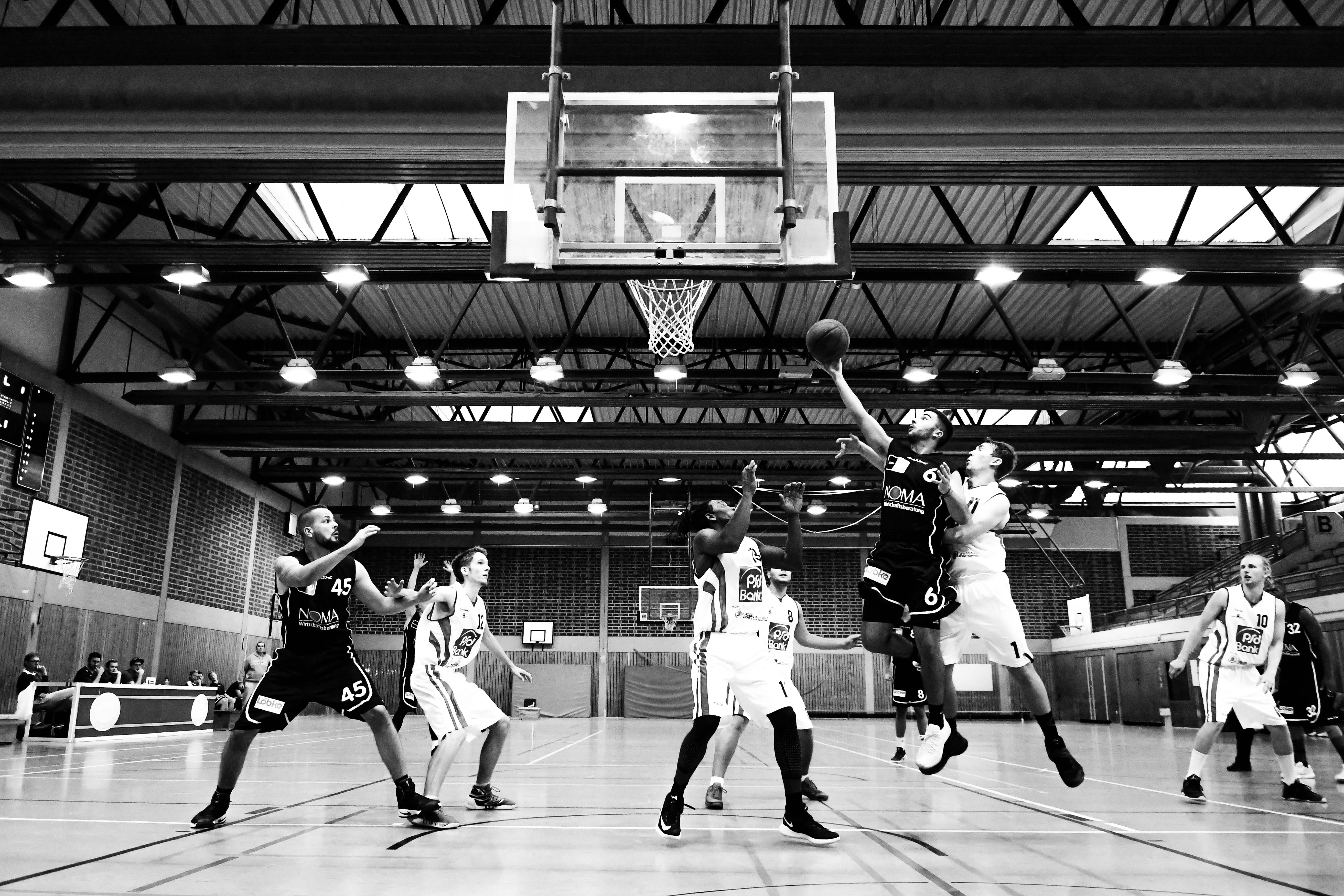
The game of basketball occurs with constant and rhythmic motion. Players have to pay attention to what is going on inside of them and what is going on outside of them as well. They need to know where the open space is on the court and how it always shifts and changes with the unpredictable movements of other players. They also need to understand their own movements and execution within the flow of the environment. This requires an active working memory that attends to each play of the game.
For instance, if a player goes up for a shot and misses, their working memory can serve them well within the flow of the game. A second after this experience, their memory calls to mind how their body felt during that shot, what occurred leading up to it, and the result. They remember how they started to shoot before their feet were under them and felt off balance. They remember how their arm had a weird twitch during their follow through. They think about how their shot came up short and how they did not use their legs. All this information is attended to and adjustments are made. The player makes a conscious note to be balanced with good footwork and rely more on their lower body to push into their shot.
This all occurs within a matter of a couple seconds and the player re-engages fully with the game happening in the present moment. This is an example of an athlete using their working memory to recall their experiences, manipulate the information, and process it to help them improve their performance.
Ignoring Mistakes, Dwelling on Mistakes, or Learning from Mistakes
Our working memory is designed to help us intentionally engage with our experiences so we can learn and improve. However, it is easy to be tempted to either ignore our mistakes or dwell on them. It may not be easy to admit our faults or call to mind our experiences when we make mistakes. We could easily fall prey to ignoring that we did anything worth correcting in the first place. However, it is crucial that we attend to our performance to grow and develop. Sometimes we might be tempted to dwell on our mistakes rather than learn from them and move on.
For the basketball example, a player might put their head down after they miss a shot and fixate on the result or their mistakes that led to the result. They draw attention to their mistakes again and again so they are less able to actively engage with the present moment. They do not think about their mistakes with their working memory to learn and adjust but rather to fixate. They are frozen in the past. This negative headspace typically leads to the thing we try to avoid – mistakes. We keep paying attention to what we do wrong and let it bind our performance. Like sports, this alternative to a healthy working memory is prevalent in daily life when people ruminate on their mistakes and experiences rather than learning from them.
Rumination, Working Memory, and Life
Mistakes in our daily life are easy to internalize and take personally. We live in a culture that places pressure and weight on our success and results. This pushes the narrative that who we are comes from what we do and how we do it. So we tend to derive our sense of self and identity from our performance. When we make mistakes, we feel like they are not just part of the process and could help us develop, we feel like they reflect on our identity. We think we are bad because we play bad. This leads to rumination. We ruminate and think repeatedly about our failures and errors. And this constant attention on our negative aspects is not constructive to help us develop and grow but fixates our minds on these parts of our experiences. This makes us feel stuck and more likely to repeat our mistakes rather than learn from them.
Like sports, a healthy working memory is critical to a quality life. This ability and process helps us to reflect upon our experiences. This allows us to learn from our mistakes so we can grow and actively re-engage with our environments and relationships in better ways. A healthy working memory engages with our experience for a few short seconds rather than getting stuck on our mistakes through rumination. This helps us not take things too personally because our experiences are meant to teach us about ourselves and life rather than reflect our sense of worth.
Final Thoughts
Sports and life require us to develop our working memory ability to live as high quality players and people. A healthy working memory helps us to reflect, manipulate, and process our experiences to make adjustments and grow. We are tempted to ignore our mistakes or let them define us. However, our sense of self does not derive from our performance. We need to develop a balanced working memory instead of drifting into rumination.


