
Now more than ever, people seem to care less about their development and more about getting the attention of others. In a time where anything can go viral and almost everything is captured with a camera, we have grown to condition ourselves to stage moments for other people to consume. We work so hard to get validation or approval from others through views, comments, and likes, only to realize that we have to do it again and again and again. Though chasing these external rewards can be fun like a game, it can get addicting and exhausting. You no longer feel like you want to do something because you enjoy it but you feel like you HAVE to do it. This style of life has polluted many good things because it twists the motivations for people’s actions.
Is Social Validation > Being Real ?
If there is no external reward, people are not interested. We all are seeking that instant gratification so we can go about our lives with a little more security that we are happy. Maybe this makes us feel like we are on the right track. But, again and again, we hopefully realize that doing things for the wrong reasons does not satisfy us. This quick rush of a breakthrough moment or the promise of being famous pervades our culture, and specifically the environments in which we are growing up now. There needs to be a space where we can talk about these trends and how they impact us in the short run as well as the long run. The youth, adolescents, and emerging adults are the first generations growing up in this new world of technology, and these populations are the most vulnerable to these issues due to our human developmental process.
These powerful human desires (to be seen, to be known, to matter to other people, to discover one’s identity) are incredibly complex and need to develop in strong, healthy environments with helpful relationships, rather than on social media platforms or cultural trends that exploit these desires for profit. We need environments that teach us about ourselves and the world, that help us develop and show us what is real and what is fake. Sports offer us these environments that specifically target the development of people and help instruct us about life so we are not only better athletes through the process but better people. Unfortunately, the cultural obsession with quick-hit fame and progress has pervaded sports as well.
Performer or Player?
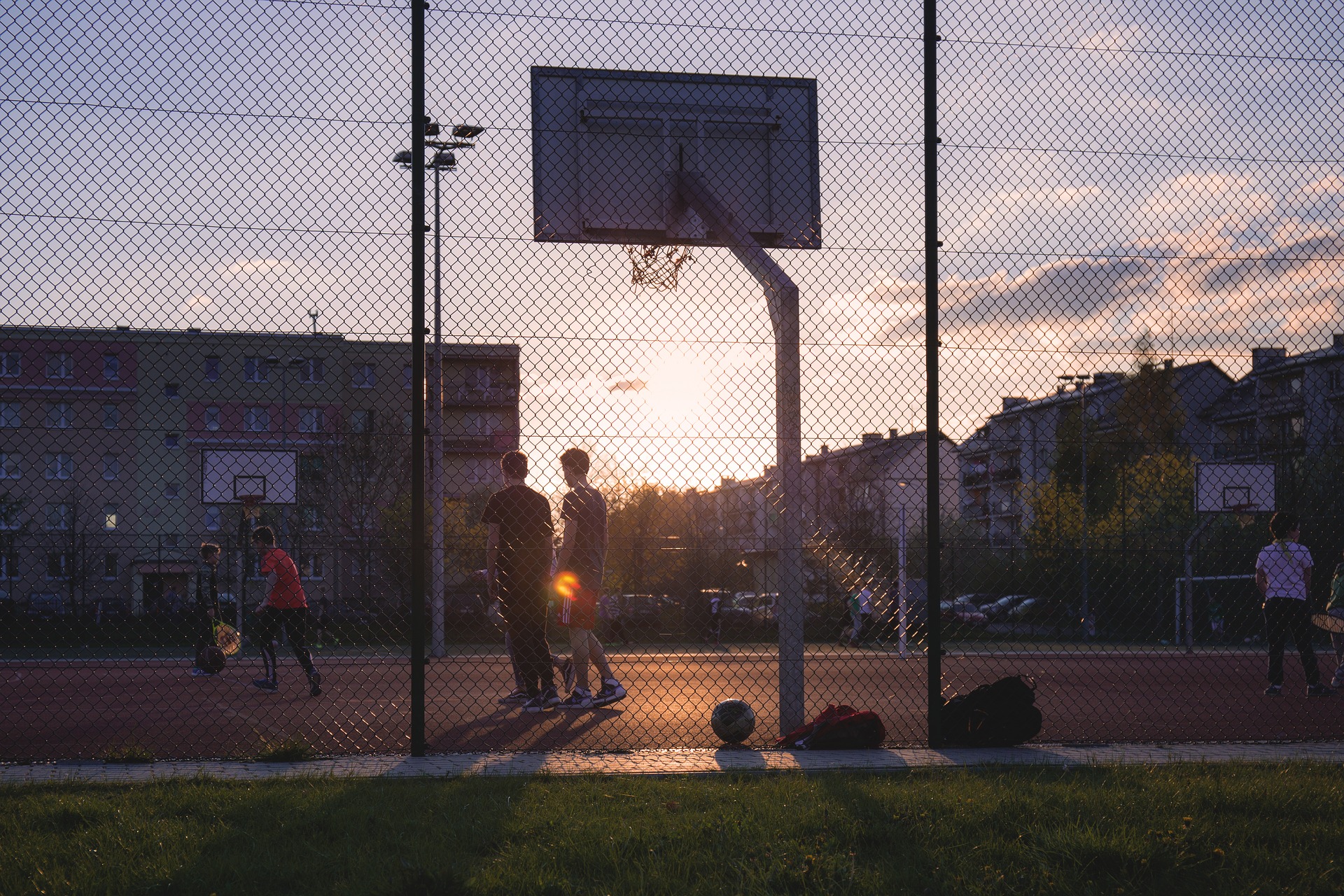
Basketball is a prime example of a game that has become affected by cultural trends. Perhaps because people want to skip the entire process of development for one moment of notoriety. Players want to shoot two hundred step-back threes when they cannot properly do a layup. Players are not motivated to put in the work with the building blocks of the game because those things do not get attention or earn them social points. If people do a training workout, it will be posted on the gram. If somebody gets a nice highlight from a game, it will be put to music and seen on TikTok. Not all uses of social media are bad, but something happens to the purity of the game itself and the process of development when things are merely used to help people achieve popularity or manipulate their status. This basketball culture is a microcosm of our culture at large and shows what is shifting in terms of our development as people. This cultural infatuation with appearances begs the question… Does it matter who people think we are or who we actually are? If it only matters who people think we are, then we can forget about our development and simply keep worrying about manipulating our appearances. However, the psychological data does not support this hypothesis.
Does Instant Gratification Satisfy Us?
There seem to be consequences to growing up in an environment that is ruled by seeking social validation and acceptance, and they are not good. The trends of depression, addiction, anxiety, and countless other mental health issues have never been higher, with their spikes paralleling the rise of smartphones and social media. If our entire lives from our time at home to the sports we play are driven by constantly needing to perform to achieve some external reward then perhaps we have led ourselves astray. If we have gotten caught on always focusing on appearances and the end result, then perhaps we need to return to the process, to the development. Even though we get caught up in the hype of superficial things, our desires for something REAL will always remain.
The Alternative = Real Development
When we use sports to achieve a level of status, we reduce an entire game to an object that helps us feel good about ourselves. However, games were designed to help us enter into the process, not avoid it. Games mimic the nature of the real world, so when we enter into the process of development as a player, a much deeper process of developing as a person has already begun. This is real development. To fall in love with the process is to fall in love with life. We discover meaning along this journey because we are constantly challenged to grow, to become our true selves. The game is a teacher and a guide that reveals to us things about ourselves and things about life. This is why games are great for our human development when we enter into them properly to learn from them rather than to use them. Now more than ever, we need to create these environments that target player and person development rather than creating environments that foster unrealistic expectations, impatience, and selfishness. This is not THE solution, but it is an activity that helps change some people’s lives when it is done right because it starts with a game but extends way beyond it.
Final Thoughts
There are infinite ways that the game of basketball can teach us about life, guide our development, and explore the complex psychology of what it means to be human, and this blog hopes to explore some of them. These posts are meant to help us understand that our development matters and cannot be faked, that it is more important to be good than to appear good, and that basketball is more than some trivial game but a vehicle to help people develop.


