
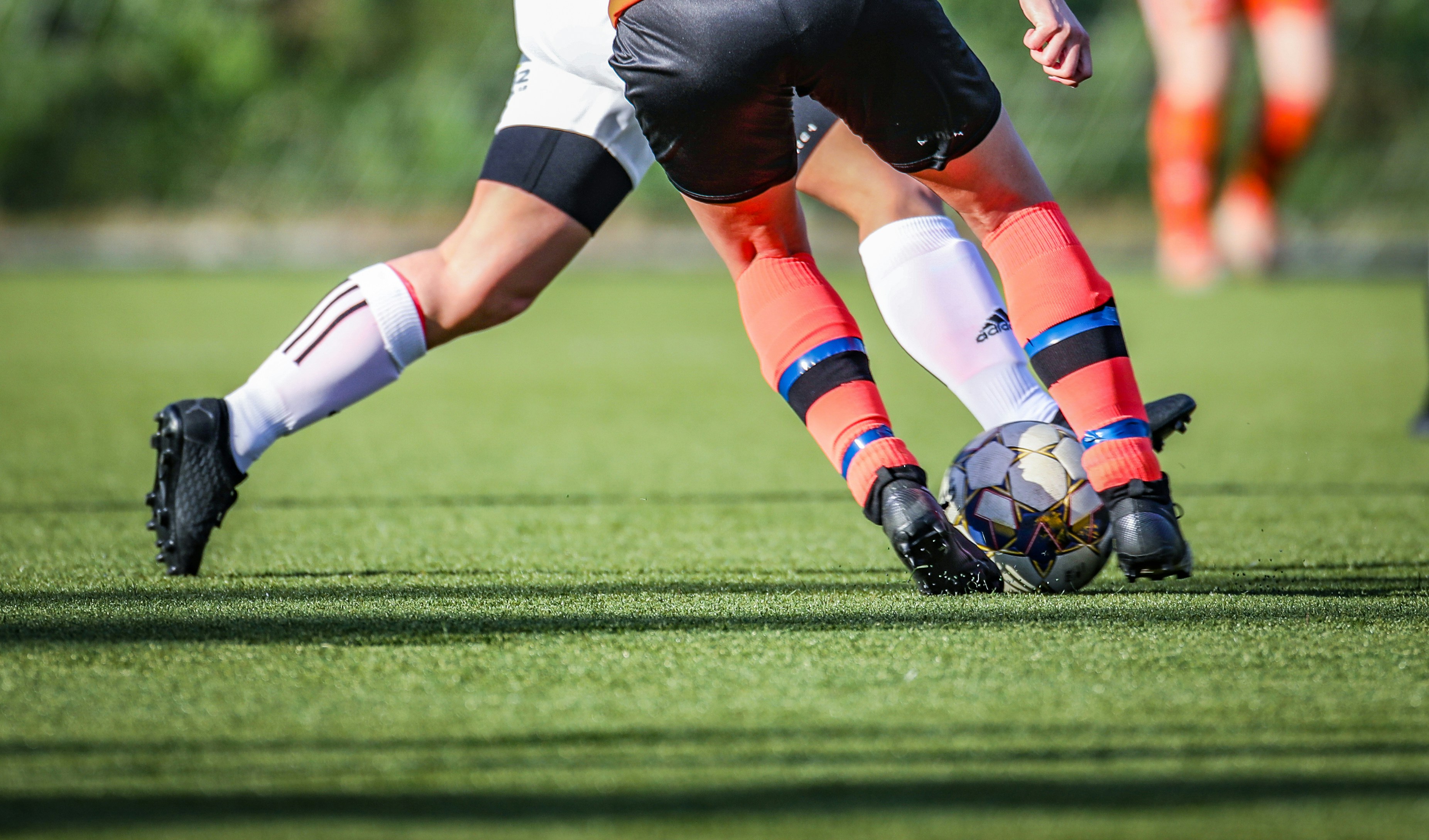
When I coach skills to players, I try to focus on the athlete feeling the movement. I want them to know what a good movement feels like. They might execute a skill with great timing and coordination. How did that feel? Were you balanced? Was the power effortless? Did it flow? Was it quicker? Did you find it helpful? Was it easier on your body? Did you feel stronger? Were you in control? Could you see the open space?
Focusing on the feeling helps empower the athlete. It offers a starting point. It gives them power to assess themselves. It shifts their focus from the results/outcome to the process. And helps them get in touch with their bodies and minds.
Fixating on the Outcome
Being overly fixated on the outcome leads to simple mindedness. We make black and white judgments based on one factor (outcome) instead of looking at the whole picture (process + outcome). We disregard our movements and the context of the situation, and evaluate our performance on what happens at the very end. We miss a shot and think, well that’s bad. We don’t think about our footwork going into the shot and where our eyes were focused. We just see the ball going out of the rim and get frustrated. Or we make a mistake receiving a serve and think, well that’s terrible. We don’t think about how we were distracted by a mistake from the last play and were leaning forward and off balanced. We just see ourselves shank a pass and get frustrated.
If we always start with the outcome, we will be led astray.
Mental and Emotional Consequences
This fixation on outcomes worsens the mental and emotional stress athletes feel. The frustration, in part, comes from not being able to identify the problem. The uncertainty and confusion is the worst part of messing up in sports. Making a mistake feels bad. But not knowing what happened makes you feel even worse. Because then you’re more likely to do it in the future.
Mistakes will haunt athletes, following them around like a ghost. Players get stressed and play tighter because they fear it will happen again. The mistake has lingered in their minds for so long because they haven’t acknowledged it or learned the necessary lessons from it. Once a mistake is acknowledged and it’s known why it happened, then it becomes much easier to let go of. It gets released and the chances of repeating that mistake in the future decrease.
For instance, a soccer player might be haunted by a missed shot from the first half. It won’t leave them alone. But they’re fixating on the ball not going in the goal. If they turn their attention to the process, of getting to that opportunity, they can find some helpful information. They remember the feelings of quickness taking a touch past the defender. But as they planted their foot to strike the ball, their body drifted to the right. Their balance was off. Their body was too high and couldn’t handle the quick stop to shoot after the acceleration into space. They know now that they need to drop their hips a bit as they decelerate and focus on staying balanced when shooting, keeping their momentum toward the goal. After looking at the process and remembering their feelings of what happened, they’re ready now. They’re less bothered by the missed shot because they know why. And now there’s hope to be better.
Development Lies in the Process
Athletes tend to react to the outcomes instead of understanding the process. But the process is where we learn. When we become more aware of the process, we can see where things went wrong and grow. Without this learning and growth, how can we expect any development? The development lies in the process.
Basketball Example:
Well, I popped out of my stance and took too high of an angle so he just turned the corner on me and drove to the basket. I felt kinda weak when he turned the corner on me, like I didn’t have any leverage on him. And I felt like I was a step behind him. I need to stay low and push with my feet. I need to beat him to the spot by going into space instead of going for his body.
Volleyball Example:
Well, I rushed my approach. I got eager to hit the ball. I envisioned it where I wanted it to be and started my approach too early. Then the actual set came and the ball was pushed more outside. I had to change my steps and bend my back a lot to hit the ball. I couldn’t see the court in front of me or where the defense was positioned. I didn’t feel powerful and my back kinda hurt after. I need to settle for a second when I pull off the net. I need to play the ball and explode into it. Keep it in front and see the court.
Soccer Example:
Well, I took too long of a touch when I was attacking the defense down the sideline. I thought I made a great move past their outside defender. But when I went to accelerate, I felt out of control. Like I was leaning with my head first and my feet couldn’t quite catch up. I didn’t feel like I could stop and do another move if I needed to. So my touch was too long and the center back came over to kick it out of bounds and stop my attack. I need to stay balanced with my moves and work on pushing with my feet and not leaning with my head. Keeping my touches and strides a little shorter until I have a ton of space would be better. Also, not rushing or trying to go faster than I can would help, just going my speed and making sure the timing of the attack is right.
There are many examples throughout training and games where athletes might make mistakes with their movements. If they don’t know how to feel their movements and evaluate themselves, then they’ll just wait to see the outcome. And they’ll judge their performances based on it. This can dampen their confidence, worsen their mental and emotional stress, and further hinder their performance.
Focus on the Feeling
Focusing on the feeling engages the athlete in the process. They know that sometimes the successful outcomes don’t happen even when you make a good play. It’s about creating opportunities for success and then building those skills over time so the successful results happen with greater consistency.
Once an athlete knows what a movement feels like then they can better asses their performance. They can also train more effectively on their own. This awareness and knowledge empowers the athlete to evaluate their own skills rather than always looking to the coach for feedback.
This feeling is a starting point. A place to build from.
From this starting point, they are empowered to coach themselves. They can self-regulate if something is off. And this process of knowing themselves, making adjustments, and building confidence is what sports is about. As coaches, our role is to help guide, support, and encourage this process of exploration, discovery, and growth.


